
In today’s digital landscape, marketing decisions need to be fast, accurate, and data-driven. Lure Creative Digital Marketing helps business Get Found and Be Known online by leveraging tools like these along with our proven strategies and insights in the health and skilled trade industries.
Combine Paid Social Data for Deeper Insights
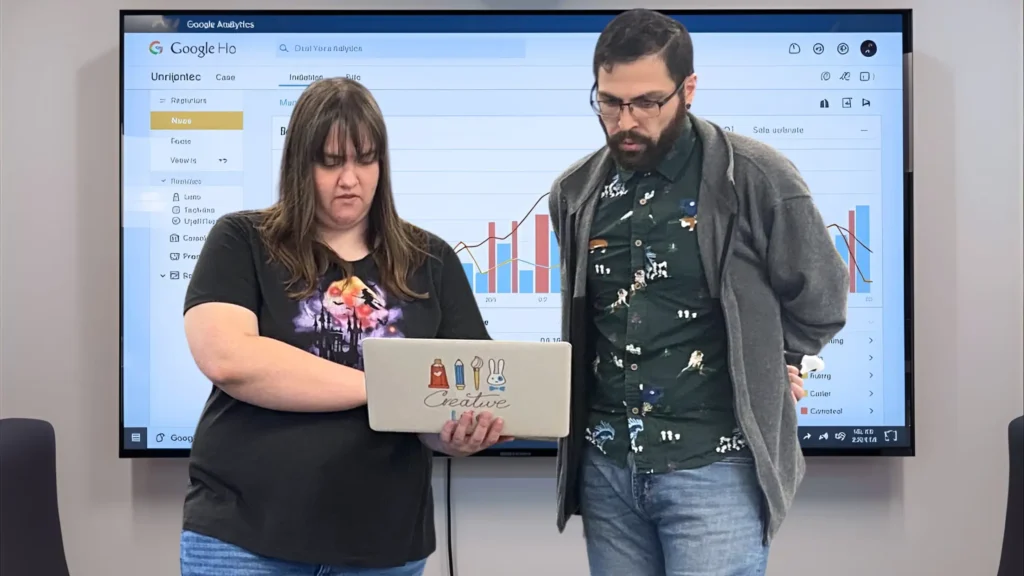
Previously, marketers had to manually combine data from multiple platforms to understand how ads were performing. This meant cross-referencing Instagram, Facebook, TikTok, and Google Analytics 4 (GA4) reports—time-consuming and prone to errors. Now, Google Analytics can seamlessly import your clicks, impressions, and costs from social media ads into one unified dashboard. Learn how these features can benefit your business with Lure Creative, contact us today!
Centralized Data Tracking for Your Business
GA4’s addition of paid social cost data adds another layer of business insights in a “1 stop shop” approach, making it easier to analyze trends, optimize campaigns, and identify which channels perform best. With this, you can…
Make More Informed Decisions, Proactively
GA4’s addition of paid social data alongside its myriad of existing website-specific user data, alongside other integrations like Google Ads and Google Search Console, allow for a more complete, full journey view of the user experience. This can save you time, money, and provide a better return on investment (ROI), and/or return on ad spend (ROAS).
What is Return on Investment (ROI)?
ROI (Return on Investment) measures the total revenue generated from a campaign relative to the amount spent. It answers the question: “For every dollar I spend, how much do I get back?”
Calculating Your Business’s ROI
ROI = (Revenue – Cost of Campaign) ÷ Cost of Campaign × 100
What is Return on Ad Spend (ROAS)?
ROAS (Return on Ad Spend) is slightly different. It focuses solely on ad spend and how efficiently that money is driving revenue.
Calculating Your Business’s Return on Ad Spend (ROAS)
ROAS = Revenue ÷ Ad Spend
For example: If your business’s Instagram Ads cost $500 and brings in $2,000 in revenue, your ROAS is 4:1. ROAS is especially helpful for campaigns where you want to see how each advertising dollar performs across platforms.
GA4’s new feature —integrating paid performance across Meta and TikTok—allow for a more complete view of the user journey. Lure Creative specializes in managing businesses’ paid channels, get in touch with us to learn how we can help your business.

Learn From Your Audience to Gain the Competitive Advantage
By utilizing this new GA4 feature—alongside other existing features like event tracking via Google Tag Manager, data import, and demographic data—your business can move forward confidently by understanding your users’ interactions with your brand online, including social media. Combine this with other channels, like organic search, and you can get a start-to-finish user journey, allowing you to follow volume instead of chase leads.
FAQs: Importing Data in Google Analytics
Which platforms can I import data from?
Currently, Google Analytics allows import of cost, clicks, and impressions from Instagram, Facebook, and TikTok Ads.
How does importing data improve ROI calculations?
By having cost and performance metrics in one place, you can calculate ROI instantly, without reconciling spreadsheets from multiple platforms.
Will this replace my agency’s reporting tools?
No—importing cost data complements agency reporting. It provides a unified view in Google Analytics, which your agency can use to optimize campaigns more effectively.
Can I see which geographic locations are performing best?
Yes! Imported data allows you to segment performance by region, helping you target high-performing areas.
How often should I import data?
For optimal results, import weekly or monthly depending on your ad volume. Consistent imports help track trends and make informed decisions faster.